Related Searches
Network Components | Crimpers | Lan Adapters | Switches | Motherboards | Internal Optical Drives | Rams | Computer Components | Wire Connectors | Cables | Processors | Routers | Graphic Cards | Cable Cutters
What is a Network Interface Card, and How Does it Work?
A Network Interface card (NIC) is a hardware component that connects the computer to a data network and acts like a trans-receiver. It transmits and receives network communication with other devices via the system buses. It supports most standard buses for data transfer between the various devices connected to a network. There are several notable brands that manufacture these network controllers. These include TP-Link, Archer, Quantum, ASUS, TENDA, Fluke, CISCO, and many more. Most NIC provides a stable connection to the computer by implementing the physical layer circuitry. This helps establish a connection with a data-link layer standard like Ethernet or wireless network with the computer. It operates as an interface at the TCP-IP layer by sending signals at the physical layer. It then transmits data packets at the network layer by using an Open System Interconnection (OSI) network model. To put it into perspective, the Network Interface card operates as an interlinking device between the computer and the data network. For instance, a user, while opening a web page, sends a data request via the network card to the webserver. The web server processes this request and reverts back in the form of a data package as a response to the user via the network card.
Network Interface Cards Prices
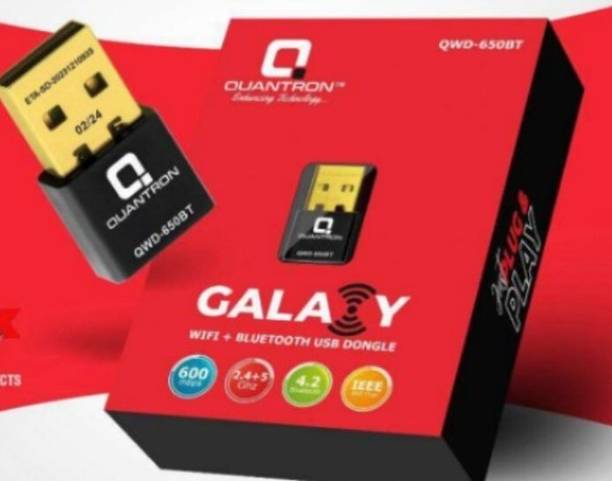
Network Interface cards can be of two types – Ethernet and Wireless interface cards. Usually, the motherboard has a slot for the interface cards, which is integrated into the motherboard chipset. Wireless network interface cards are mostly connected to the USB slot in the computer to connect to the network. Both NIC types can be procured online from various e-stores. Check and compare network interface card prices and online to choose a brand and model that suit your requirements. However, while purchasing online, you need to check and compare the network interface card features , which should correspond to the standard of your home or office network. The TP-Link TL-POE10R, QUANTUM QHM8106, and TENDA W311MI are examples of an Ethernet network interface card. The TP-Link Wireless N PCI Express Adapter, BELKIN F5D5000, are some of the entry-level network interface cards. The former is a PCI express card that offers wireless internet connectivity; the latter is a network interface controller or adapter, commonly known as LAN or Ethernet adapter.
Network Interface Cards Features and Advantages
Compared to wireless USB network adapters, the network interface card provides a much more secure, stable, and faster network connection. Besides, it allows the user to share the network data across many users or clients. Additionally, these devices are easy to operate, troubleshoot, and offer a cost-effective solution to your network connectivity woes. Moreover, it can help connect multiple devices using the network ports offering reliable and high internet connectivity over the network. For instance, the Archer T6E AC1300 is a wireless PCI adapter that offers dual bands – 2.4 GHz for normal internet browsing activities and a 5 GHz band with fast network connectivity for streaming. For high-speed internet connectivity, online gaming, or video streaming, you can opt the ASUS XG-C100C network interface card online. For servers and enterprises, CISCO HWIC-2CE1T1-PRI, CISCO EHWIC-4ESG, IBM 47C8660, The620Guy X550 can be considered based on the system requirement.