





VibeX Ammi Majus Seed (50 per packet)
Share
VibeX Ammi Majus Seed (50 per packet)
इस प्रोडक्ट पर राय देने वाले पहले व्यक्ति बने
₹255
₹597
57% off
उपलब्ध ऑफ़र

T&C
T&C
T&C
T&C
Delivery
Check
Enter pincode
डिलीवरी25 दिसंबर, गुरुवार
?
जानकारी देखें
Highlights
- Seed Type: Flower
- Suitable For: Indoor, Outdoor
- Organic Plant Seed
- Seed For: Ammi Majus
- Flowering Plant
- Quantity: 50 per packet
सर्विस
- कैश ऑन डिलीवरी उपलब्ध?
Seller

जानकारी
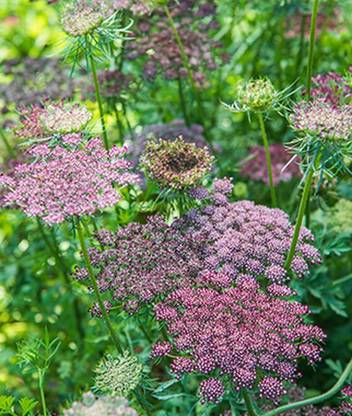
Long stems and feathery foliage are topped by flat, airy flowers of burgundy and blush-pink.
Full Description
If you love cut flowers, you’ll adore ‘Dara’. Flowering carrot has long stems topped by large, feathery foliage and a burst of burgundy and blush-pink flowers. You may know Daucus carota as the Wild Carrot, Flowering Carrot, or False Queen Anne’s Lace. ‘Daucus Dara’ is a biennial plant that can be grown as a hardy annual. Sow in January or February indoors for flowers from May onwards, direct sow in April/May for flowers in summer and autumn. Sow in June to September as you would for other biennial plants for flowers the following year..Direct sow seeds in average soil in full sun after all danger of frost. It is not recommended to start indoors as plants are challenging to transplant. Sow where you want them to grow.
Prepare the soil by removing weeds and working organic matter into the top 6-8 inches of soil; then level and smooth. Ammi majus prefers a cool, moist soil.
Most plants respond well to soils amended with organic matter. Compost is a wonderful form of organic matter with a good balance of nutrients and an ideal pH level, it can be added to your planting area at any time. If compost is not available, top dress the soil after planting with 1-2 inches of organic mulch, which will begin to breakdown into compost. After the growing season, a soil test will indicate what soil amendments are needed for the following season.
Sow seeds thinly and cover with ¼ inch of soil.
Firm soil lightly, water and keep evenly moist.
Seedlings will emerge in 7-21 days.
Thin to stand about 15-18 inches apart when 1 inch high.
Keep weeds under control during the growing season. Weeds compete with plants for water, space and nutrients, so control them by either cultivating often or use a mulch to prevent their seeds from germinating.
Mulches also help retain soil moisture and maintain even soil temperatures. For annuals an organic mulch of shredded leaves lends a natural look to the bed and will improve the soil as it breaks down in time. Always keep mulches off a plant’s stems to prevent possible rot.
Keep soil evenly moist but not wet.
No fertilizer is needed unless the soil is poor. Do not over fertilize.
Monitor for pests and diseases. Check with your local Cooperative Extension Service for pest controls recommended for your area.
Remove plants after they are killed by frost in fall to avoid disease issues the following year.
Ammi majus blooms in late spring to early summer
Harvest flowers when 2/3 to ¾ open. They make lovely dried flowers.
In windy areas Ammi majus may need to be staked.
Wear gloves when working with Ammi majus, as some people develop a skin rash.
Read More
Specifications
In The Box
|
General
| Brand |
|
| Model Name |
|
| Quantity |
|
| Common Name |
|
| Flowering Plant |
|
| Suitable For |
|
| Type of Seed |
|
| Organic |
|
| Scientific Name |
|
| Net Quantity |
|
Additional Features
| Other Features |
|
Safe and Secure Payments.Easy returns.100% Authentic products.



Back to top