


Sale ends in10 hrs : 27 mins : 42 secs
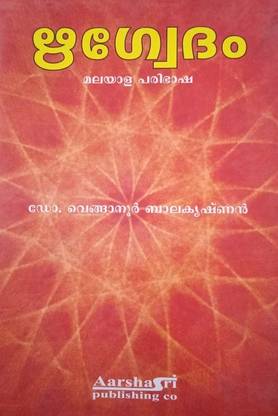
Rig Veda In Malayalam By Venganoor Balakrishnan (Hardcover, Malayalam, Venganoor Balakrishnan)
Price: Not Available
Currently Unavailable
Highlights
- Author: Venganoor Balakrishnan
- 1033 Pages
- Language: Malayalam
- Publisher: Aarshasri publishing co,Kerala,India
Description
Rig Veda is most popular among all Vedas; today we will share some useful information related to Rigveda which every Indian must know.In fact, the Rig Veda is the oldest book known to humanity. The Rig Veda has been described as having the origin of divine knowledge. If we consider the Vedic collection (the four Vedas), the Rigveda stands out to be the largest and the most important text in this Vedic collection. The Rig Veda consists of Sanskrit hymns with commentaries on liturgy, ritual and mystical exegesis. The core part of Rig Veda is known as Rig-Veda Samhita. It contains 1028 hymns (Sukta) in about 10,600 verses. It is organized into ten books known as “Mandalas.” Most of these contain praises of specific deities. They also deal with philosophical questions and bring out the virtue of Dana (charity) in society. They even take other metaphysical issues in their hymns. It is believed that the bulk of Rig-Veda Samhita was composed as early as 1500 BC. Mandalas 2 – 7 form the oldest part of the Rig-Veda Samhita and account for 38% of the entire text. Each of them has been attributed to an individual Rishi. They were transmitted within the lineage of the Rishi’s family or his students. It deals with a particular deity such as Agni and Indra. The 8th and the 9th Mandalas account for 15% and 9% respectively. The 1st and the 10th Mandalas are considered the longest books and account for 37% of the text. Each Mandala contains hymns or Sukta that are intended for various rituals. The Sukta, in turn, consist of individual stanzas (units of verse) called as Pada. Overall, the Rigveda deals with many Gods. However, there are some who get much attention. Most of the hymns are dedicated to three top-rated Gods such as Indra (250 hymns), Agni (200 hymns), and Soma (over 100 hymns). The Vedas describes Indra as the head of the ancient Hindu pantheon. He has been described as the God of War. The Agni is considered as the most important god in Vedic literature and is responsible for lifting the sacrifice to heaven. The Soma was regarded as the personification of the sacred soma plant whose juice provides immortality to gods. It is said that many ‘rishis’ have contributed to the Rig Vedic text. The important ones among these (known as the seven primary seers) are Atri, Vishwamitra, Vasishtha, Gautam, Jamadagni, Kanwa, and Bharadwaja. Altogether the Rig Veda consists of: The Rig-Veda Samhita (It is the oldest or the core part of Rig Veda containing hymns to the deities) The Brahmanas (commentaries on the hymns) The Aranyakas (These are known as the “forest books”) The Upanishads What is Meant by Rig Veda? The “Rig Veda” stands out to be one of the four canonical sacred texts of Hinduism that are collectively known as the Vedas. In fact, the “Rigveda” is the oldest of the four Vedas that includes “Yajur Vedas,” “Sama Veda,” and “Atharva Veda.” The “Rig Veda” contains Sanskrit hymns that are dedicated to Rig-Vedic deities. Rigveda has been organized in 10 books that are known as Mandalas. The Rig Veda outlines many spiritual disciplines and provides information about the practice of yoga, meditation, mantra, and Ayurveda. Many mantras in Rigveda are hymns to the gods praying for benefits like health, wealth, and long life. The main ones include: Indra, Agni, and Soma. Apart from these main gods, the Rig Veda has mentioned for Adityas, Varuna, Usha, Brihaspati, Rudra, Savitr, and Vishnu. The Rigveda also pays respect to various natural phenomena such as Dyaus (the sky), Prithvi (Earth), Surya (sun), Vayu (wind), as well as various rivers. Originally, the mantras were recited during religious rituals. It was the main way for people to communicate with God.
Read More
Specifications
General
| Book |
|
| Author |
|
| Binding |
|
| Publishing Date |
|
| Publisher |
|
| Edition |
|
| Number of Pages |
|
| Language |
|
| Genre |
|
| Book Subcategory |
|
Dimensions
| Weight |
|
Be the first to ask about this product
Safe and Secure Payments.Easy returns.100% Authentic products.



Back to top