



Cinematic Chronotopes (English, Paperback, Hesselberth Pepita)
Share
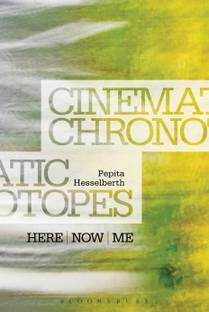
Cinematic Chronotopes (English, Paperback, Hesselberth Pepita)
Be the first to Review this product
₹6,410
₹9,471
32% off
Available offers

T&C
T&C
T&C
T&C
Delivery
Check
Enter pincode
Delivery by14 Feb, Saturday
?
View Details
Highlights
- Language: English
- Binding: Paperback
- Publisher: Bloomsbury Publishing Plc
- Genre: Performing Arts
- ISBN: 9781501316104, 1501316109
- Pages: 208
Seller

Description
The site of cinema is on the move. The extent to which technologically mediated sounds and images continue to be experienced as cinematic today is largely dependent on the intensified sense of being 'here,' 'now' and 'me' that they convey. This intensification is fundamentally rooted in the cinematic's potential to intensify our experience of time, to convey time's thickening, of which the sense of place, and a sense of self-presence are the correlatives. In this study, Pepita Hesselberth traces this thickening of time across four different spatio-temporal configurations of the cinematic: a multi-media exhibition featuring the work of Andy Warhol (1928-1987); the handheld aesthetics of European art-house films; a large-scale media installation by Rafael Lozano-Hemmer; and the usage of the trope of the flash-forward in mainstream Hollywood cinema. Only by juxtaposing these cases by looking at what they have in common, this study argues, can we grasp the complexity of the changes that the cinematic is currently undergoing.
Read More
Specifications
Dimensions
| Height |
|
| Length |
|
| Weight |
|
Book Details
| Title |
|
| Imprint |
|
| Product Form |
|
| Publisher |
|
| Source ISBN |
|
| Genre |
|
| ISBN13 |
|
| Book Category |
|
| BISAC Subject Heading |
|
| Book Subcategory |
|
| ISBN10 |
|
| Language |
|
Contributors
| Author Info |
|
Frequently Bought Together
₹6,410
₹9,471
32% off
Please add at least 1 add-on item to proceed
Be the first to ask about this product
Safe and Secure Payments.Easy returns.100% Authentic products.

Back to top