

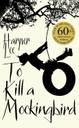


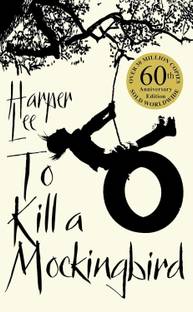
To Kill A Mockingbird Harper Lee (Paperback, Harper Lee)
Share
To Kill A Mockingbird Harper Lee (Paperback, Harper Lee)
4.3
592 Ratings & 24 Reviews
₹144
₹499
71% off
Available offers

T&C
T&C
T&C
T&C
Delivery
Check
Enter pincode
Delivery by23 Dec, Tuesday
?
if ordered before 8:59 AM
View Details
Highlights
- Author: Harper Lee
- 320 Pages
- Language: English
- Publisher: Rahul Enterprises
Services
- Cash on Delivery available?
Seller
Laxminovelstore
4.5
Seller changed. Check for any changes in pricing and related information.
- 7 Days Replacement Policy?
See other sellers
Description
Shoot all the bluejays you want, if you can hit 'em, but remember it's a sin to kill a mockingbird.'A lawyer's advice to his children as he defends the real mockingbird of Harper Lee's classic novel - a black man falsely charged with the rape of a white girl.
Read More
Specifications
In The Box
| Sales Package |
|
General
| Book |
|
| Author |
|
| Binding |
|
| Publishing Date |
|
| Publisher |
|
| Edition |
|
| Series |
|
| Number of Pages |
|
| Language |
|
| Tags |
|
| Table of Content |
|
| Genre |
|
| Book Subcategory |
|
| Author Info |
|
| Net Quantity |
|
Additional Features
| Key Features |
|
Frequently Bought Together

Please add at least 1 add-on item to proceed
Ratings & Reviews
4.3
★
592 Ratings &
24 Reviews
- 5★
- 4★
- 3★
- 2★
- 1★
- 340
- 152
- 52
- 21
- 27
+ 3
5
Super!
Wonderful book. Full of philosophy and wisdom!
READ MOREDrRamesan KM
Certified Buyer, Payyannur
Feb, 2024
10
2
Report Abuse
4
Nice product
Overall quality of book is good but I'm not satisfied with font size
READ MOREkrish gujariya
Certified Buyer, Ahmedabad
Sep, 2024
3
0
Report Abuse
4
Pretty good
Good product
READ MOREFlipkart Customer
Certified Buyer, Dehradun
Jun, 2024
1
0
Report Abuse
5
Terrific
The hardcopy book of To Kill A Mockingbird was well received in good condition.
Saved me over 60% price from a school monopoly stationary shop, which sells it at 499.
as kids hardly read or use this book for a year.
READ MORESaved me over 60% price from a school monopoly stationary shop, which sells it at 499.
as kids hardly read or use this book for a year.
Kaivan Kalyaniwalla
Certified Buyer, Mumbai
8 months ago
1
0
Report Abuse
3
Does the job
Pirated book and poor binding elseeverythingis good
READ MORERajesh Chaurasia
Certified Buyer, Lucknow
6 months ago
1
0
Report Abuse
2
Slightly disappointed
Print quality is bad and the binding isn't good either
READ MOREVishank Sharma
Certified Buyer, Bangalore
9 days ago
0
0
Report Abuse
4
Pretty good
The book was in a pretty good condition, packaging was good, delivery was before time, price was affordable. In a short this book is satisfying to buy
READ MOREBaidanti Choudhury
Certified Buyer, Nabadwip
1 month ago
0
0
Report Abuse
4
Wonderful
The quality of the pages is not good. I won't sugarcoat it. But the text itself is very great itself. The writer did a great job and it literally is one of a kind
READ MOREaasma bansotra
Certified Buyer, Rehambal
1 month ago
0
0
Report Abuse
5
Terrific purchase
Nice
READ MORETirtharaj Chakraborty
Certified Buyer, North Barrackpur
1 month ago
0
0
Report Abuse
3
Slightly disappointed
A tiny book...looks nice overall. However while ordering they mentioned that 60th anniversary edition, but I got 50th anniversary edition. Also, the print inside is quite small. Still, the product is just okey....but I expected a bit more.... I had rate it 7/10....
READ MORENandana Shaji
Certified Buyer, Kannur
2 months ago
0
0
Report Abuse
+
All 24 reviews
Be the first to ask about this product
Safe and Secure Payments.Easy returns.100% Authentic products.
Back to top