



Share
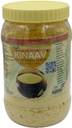
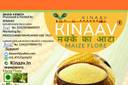
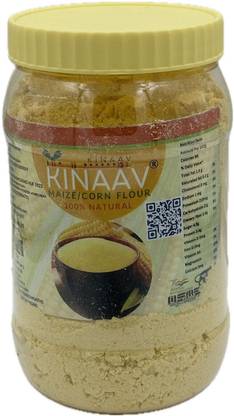
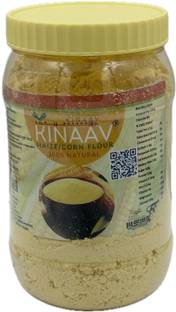
KINAAV MAIZE/CORN FLOUR (1 kg)
4.4
8 Ratings & 0 Reviews
₹135
₹799
83% off
@135/kg
Minimum Order Quantity:2
Available offers

T&C
T&C
T&C
T&C
Delivery
Check
Enter pincode
Delivery by26 Jan, Monday
?
View Details
Quantity
- 1 kg1 kg
Please select a Quantity to proceed
Services
- Cash on Delivery available?
Seller
Description
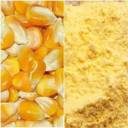
Maize flour, also known as corn flour or makki atta in India, is a versatile flour made from dried corn kernels. It is a staple food in many cuisines worldwide and is highly valued for its versatility and unique flavor. It is particularly popular in Northern India, where it is used to prepare traditional dishes such as makki ki roti.
Here's a breakdown of the key characteristics and uses of maize flour:
1. Production
Maize flour is produced by grinding dried corn kernels into a fine powder. The process can involve:
Grinding whole kernels: This retains all parts of the grain, including the endosperm, germ, and bran, making it a more nutrient-dense and fiber-rich option, according to ScienceDirect.com.
Stone-ground milling: This traditional method preserves the natural flavor, texture, and nutrients of the grain.
Removal of the tough outer hull and germ: This produces a finer, lighter-colored flour, but with a potentially lower fiber content.
2. Types
Maize flour comes in various forms and textures, depending on the type of corn used and the processing method:
Yellow Maize Flour: Made from yellow corn, it has a richer flavor and is higher in beta-carotene (a source of Vitamin A), according to Facebook.
White Maize Flour: Made from white corn, it has a milder flavor and finer texture.
Cornmeal: A coarser-ground version of maize flour, often used for dishes like cornbread.
Masa Harina: A special corn flour made from corn treated with lime (nixtamalization), used for making tortillas and tamales.
3. Nutritional value
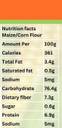
Maize flour is known for its impressive nutritional profile:
Rich in Carbohydrates: Provides a good source of energy for the body.
Good Source of Dietary Fiber: Aids digestion, promotes satiety, and contributes to gut health.
Contains Vitamins and Minerals: Includes B vitamins (thiamine, niacin, folate, B6), magnesium, phosphorus, and iron. Yellow maize flour is also rich in beta-carotene, according to Facebook.
Naturally Gluten-Free: An excellent alternative for individuals with celiac disease or gluten sensitivity.
Antioxidant Properties: Contains antioxidants that may help protect the body against damage and reduce the risk of chronic diseases.
Culinary uses
Maize flour's versatility makes it suitable for a wide range of culinary applications:
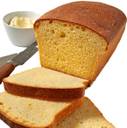
Baking: Used in breads, muffins, pancakes, tortillas, cakes, and other baked goods.
Thickening Agent: Effectively thickens soups, sauces, gravies, and custards.
Coating: Creates crispy coatings for fried foods like chicken, seafood, and vegetables.
Traditional Dishes: A key ingredient in regional dishes like makki ki roti in India, polenta in Italy, and tortillas in Central America.
Other uses: Used in infant foods, breakfast cereals, breadings, and as a binder and filler in processed meats.
Read More
Specifications
In The Box
| Pack of |
|
| Sales Package |
|
General
| Brand |
|
| Type |
|
| Quantity |
|
| Maximum Shelf Life |
|
| Is Perishable |
|
| Organic |
|
| Used For |
|
| Dietary Preference |
|
| Caloric Value |
|
| Regional Speciality |
|
| Model Name |
|
| Storage Instruction |
|
| Manufactured By |
|
| Nutrient Content |
|
| Usage Instructions |
|
| Fortified |
|
| Ingredients |
|
| Manufacturing Process |
|
| Additives |
|
| Allergens Included |
|
| FSSAI Number |
|
| Net Quantity |
|
Additional Features
| Certification |
|
| Other Features |
|
| Key Features |
|
Dimensions
| Height |
|
| Width |
|
| Depth |
|
| Weight |
|
| Other Dimensions |
|
Legal Disclaimer
|
Frequently Bought Together
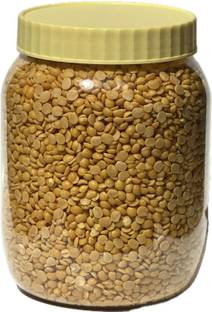
Please add at least 1 add-on item to proceed
Ratings & Reviews
4.4
★
8 Ratings &
0 Reviews
- 5★
- 4★
- 3★
- 2★
- 1★
- 4
- 3
- 1
- 0
- 0
Have you used this product? Be the first to review!
Be the first to ask about this product
Safe and Secure Payments.Easy returns.100% Authentic products.
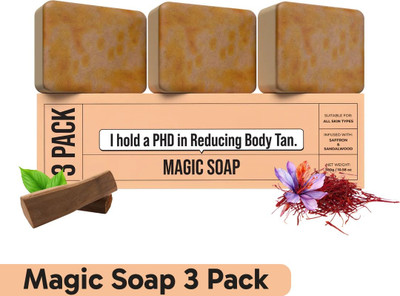
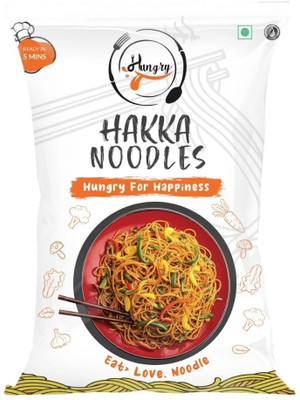
Back to top