


Get notified when this item comes back in stock.
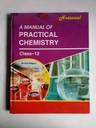
A Manual of Practical Chemistry Class 12 (Paperback, Arvind Rajput)
Share
A Manual of Practical Chemistry Class 12 (Paperback, Arvind Rajput)
3.9
8 Ratings & 1 Reviews₹231
₹259
10% off
Sold Out
This item is currently out of stock
Highlights
- Binding: Paperback
- Publisher: National Books Publishers
- ISBN: 9789382941804
- Edition: 2023, 2023
- Pages: 225
Seller
LovelyBookmarket
3.8
Seller changed. Check for any changes in pricing and related information.
- 7 Days Replacement Policy?
See other sellers
Description
A Practical Chemistry Class 12 guide is an essential resource designed to assist students in the 12th grade with hands-on experimentation and laboratory work in the field of chemistry. This practical manual is an integral part of the chemistry curriculum, offering a structured approach to conducting experiments and gaining a deeper understanding of chemical concepts. Key elements of this manual typically include:
Experiment Instructions: Clear, step-by-step instructions for conducting a range of chemistry experiments, ensuring that students can follow procedures accurately and safely.
Theoretical Context: Brief explanations of the underlying chemical principles and theories related to each experiment, providing students with the necessary background knowledge.
Safety Guidelines: Emphasis on safety measures and precautions to ensure a secure laboratory environment, including guidance on handling equipment and chemicals safely.
Equipment and Materials Lists: Comprehensive lists of the required apparatus and chemicals, aiding students in preparing adequately for laboratory sessions.
Observation Tables: Tables for recording data, observations, measurements, and experimental results, typically organized in a systematic manner.
Data Analysis and Interpretation: Guidance on how to analyze and interpret the data collected during experiments, often involving calculations and discussions of results.
Questions and Discussion: Prompts and questions encouraging students to reflect on the outcomes of experiments, draw conclusions, and relate them to chemical principles.
Variations and Extensions: Additional challenges or variations that allow students to explore related concepts, adapt experiments, or test different conditions.
Troubleshooting: Guidance on identifying and addressing common issues or unexpected results that students may encounter during experiments.
References and Further Reading: Suggestions for additional resources and references for students interested in exploring the theoretical aspects or related topics in chemistry.
Illustrations and Diagrams: Visual aids, such as diagrams and illustrations, aiding students in understanding the experimental setup and procedures.
Organization and Index: A well-organized structure, with experiments arranged logically, and a comprehensive index for easy reference.
Appendices: Supplementary information, including conversion tables, constants, sample calculations, and chemical formulas, typically presented in appendices for quick access.
Quality Presentation: High-quality printing, legible fonts, and durable binding, ensuring the manual withstands regular use in the laboratory.
In summary, a Practical Chemistry Class 12 manual serves as an indispensable companion to theoretical chemistry education. It empowers students to apply their knowledge, develop practical skills, and gain a deeper insight into the fascinating world of chemistry through hands-on experimentation.
Read More
Specifications
| Publication Year |
|
Manufacturing, Packaging and Import Info
Ratings & Reviews
3.9
★
8 Ratings &
1 Reviews
- 5★
- 4★
- 3★
- 2★
- 1★
- 4
- 2
- 0
- 1
- 1
5
Worth every penny
Good
READ MOREMd Umar Khan
Certified Buyer, Varanasi
8 months ago
0
0
Report Abuse
Questions and Answers
Q:This product have pages to write own practical like practical copies
A:yes
ShelfMates
Flipkart Seller0
0
Report Abuse
Didn't get the right answer you were looking for
Safe and Secure Payments.Easy returns.100% Authentic products.



Back to top