


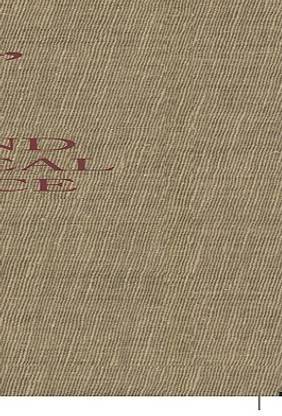
Schiller, Hegel, and Marx (English, Hardcover, Kain Philip)
Share
Schiller, Hegel, and Marx (English, Hardcover, Kain Philip)
Be the first to Review this product
₹3,569
₹3,968
10% off
Available offers

T&C
T&C
T&C
T&C
Delivery
Check
Enter pincode
Delivery by12 Feb, Thursday
?
View Details
Highlights
- Language: English
- Binding: Hardcover
- Publisher: McGill-Queen's University Press
- Genre: Philosophy
- ISBN: 9780773510043, 9780773510043
- Pages: 277
Services
- Cash on Delivery available?
Seller
Description
All three believed that the modern world could be remade according to this model, though none succeeded in his endeavor. At times Schiller seemed to recognize the failure of the model; in his mature writing Hegel dropped the model; and Marx, as he grew older, fundamentally modified the model. Nevertheless, focusing upong their attempts and failures allows an explanation of certain aspects of one of the fundamental concerns of current Marx studies: Marx's humanism and the relationship between his earlier and later thought. Using this approach, Kain shows that Marx's development cannot be divided into two neat periods - an early humanistic or philosophical period and a later scientific period - as some scholars argue, nor can one argue for an essential unity to his thought as other scholars do. Instead Kain finds Marx continually shifting his views in his attempt to come to grips with the issues that concern him. But Kain also finds a deep-seated humanism in Marx's later writings which grows out of, but differs from, the humanism of his early work.
Read More
Specifications
Book Details
| Title |
|
| Imprint |
|
| Product Form |
|
| Publisher |
|
| Genre |
|
| ISBN13 |
|
| Book Category |
|
| BISAC Subject Heading |
|
| Book Subcategory |
|
| ISBN10 |
|
| Language |
|
Dimensions
| Weight |
|
Be the first to ask about this product
Safe and Secure Payments.Easy returns.100% Authentic products.

Back to top