



Big Bachat Days Sale End in:02 hrs : 14 mins : 56 secs
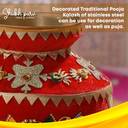
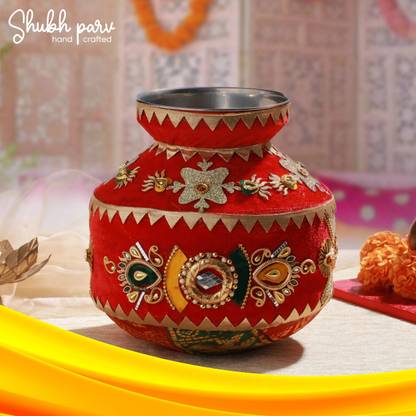
Shubhparv Decorative Kalash Fancy | Wedding Ceremony Item Stainless Steel Kalash (Height: 8.5 inch, Red)
Share
Shubhparv Decorative Kalash Fancy | Wedding Ceremony Item Stainless Steel Kalash (Height: 8.5 inch, Red)
4.1
13 Ratings & 1 Reviews
₹719
₹1,499
52% off
Available offers

T&C
T&C
T&C
T&C
Delivery
Check
Enter pincode
Delivery by13 Jan, Tuesday
?
if ordered before 9:59 PM
View Details
Services
- Cash on Delivery available?
Seller
Description
Say yes to new beginnings and creation with a wide range of Kalash. Spoilt for choice would surely be an understatement, with our range. Pave way for a new life and adorn Kalash with fresh leaves and coconut to complete the rituals in the right manner
Read More
Specifications
In The Box
| Sales Package |
|
| Pack of |
|
General
| Brand |
|
| Model Name |
|
| Model Number |
|
| Shade |
|
| Color |
|
| Material |
|
| Coconut Included |
|
| Is Fragile |
|
| Regional Speciality |
|
| Net Quantity |
|
Additional Features
| Other Features |
|
| Key Features |
|
Dimensions
| Height |
|
Frequently Bought Together
Please add at least 1 add-on item to proceed
Ratings & Reviews
4.1
★
13 Ratings &
1 Reviews
- 5★
- 4★
- 3★
- 2★
- 1★
- 7
- 3
- 1
- 1
- 1
4
Pretty good
Beautiful
READ MORERashmi Srivastava
Certified Buyer, Lucknow
Dec, 2023
0
1
Report Abuse
Be the first to ask about this product
Safe and Secure Payments.Easy returns.100% Authentic products.

Back to top